The light between Carmel and Monterey is soft, silvered, and a little foggy, and the wallcoverings that suit it borrow the same restraint. Think woven fibers, sun-faded neutrals, and quiet botanicals that let a room breathe.

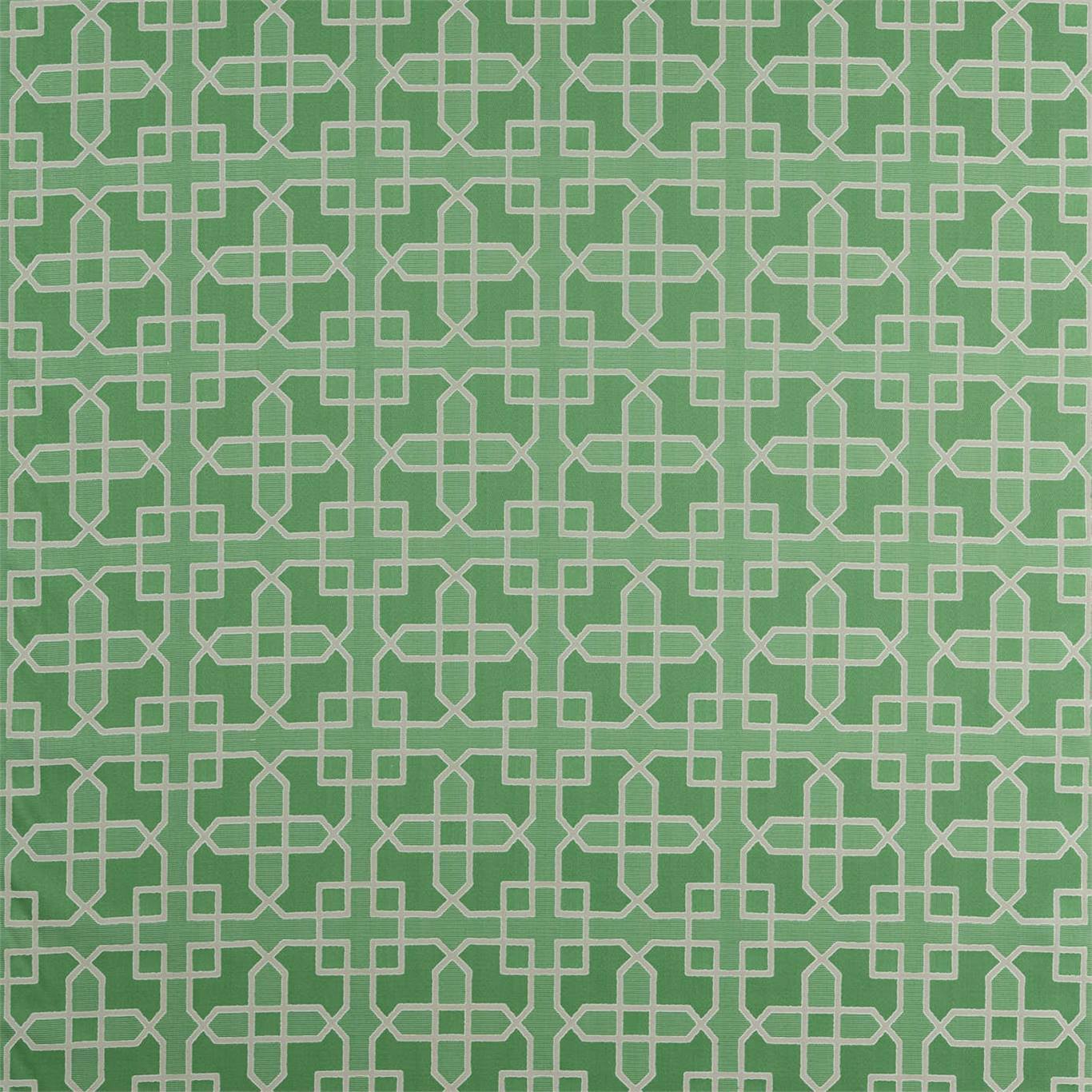
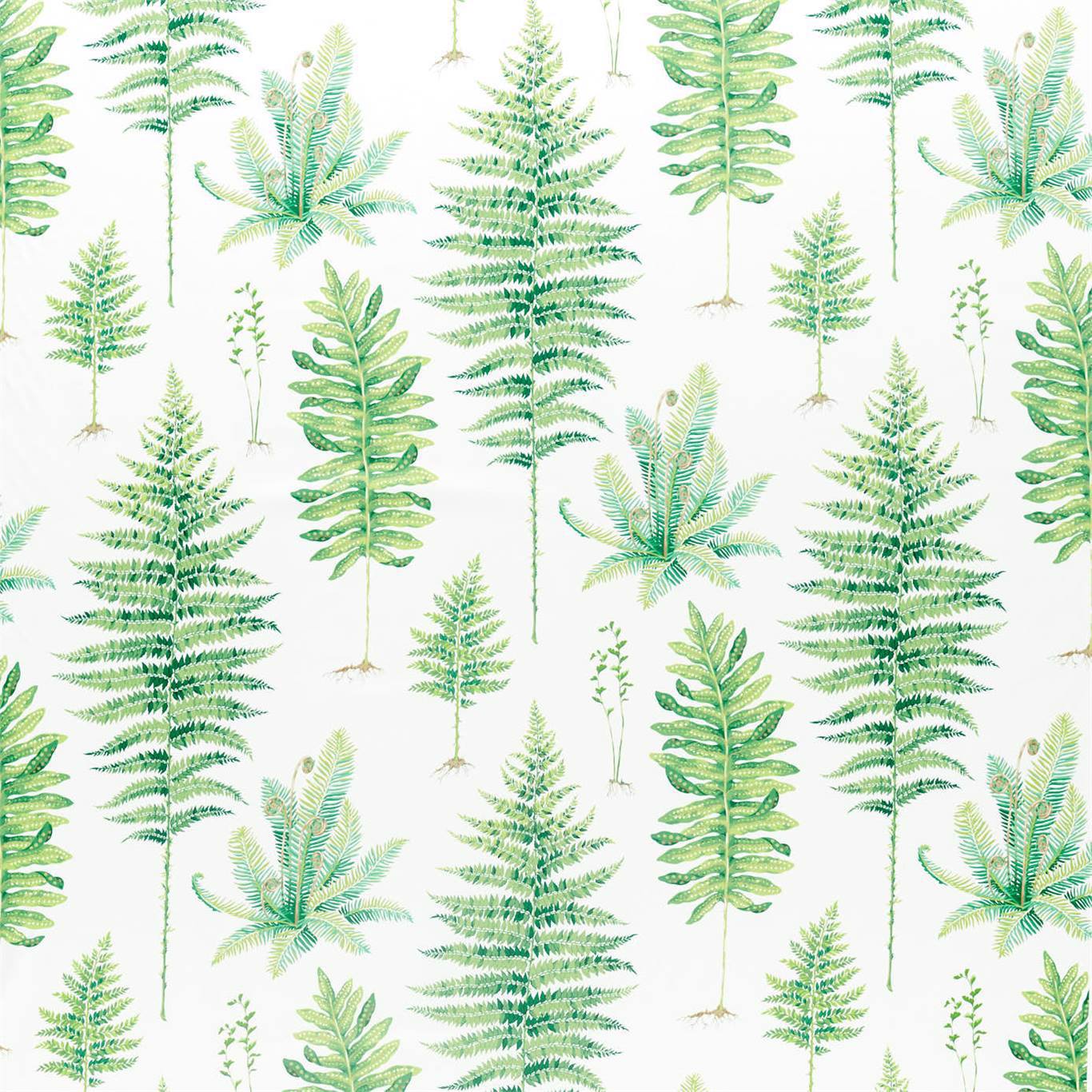
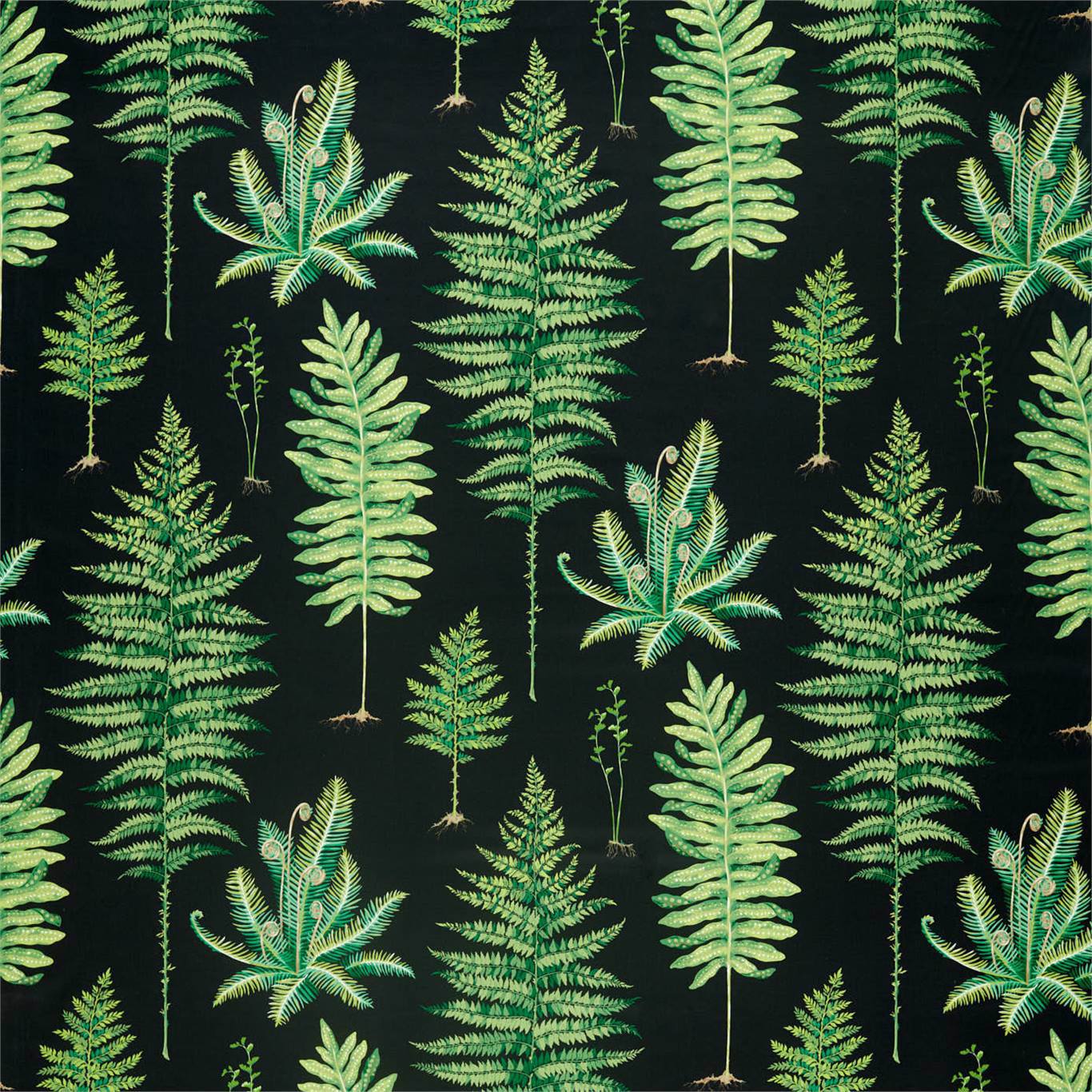
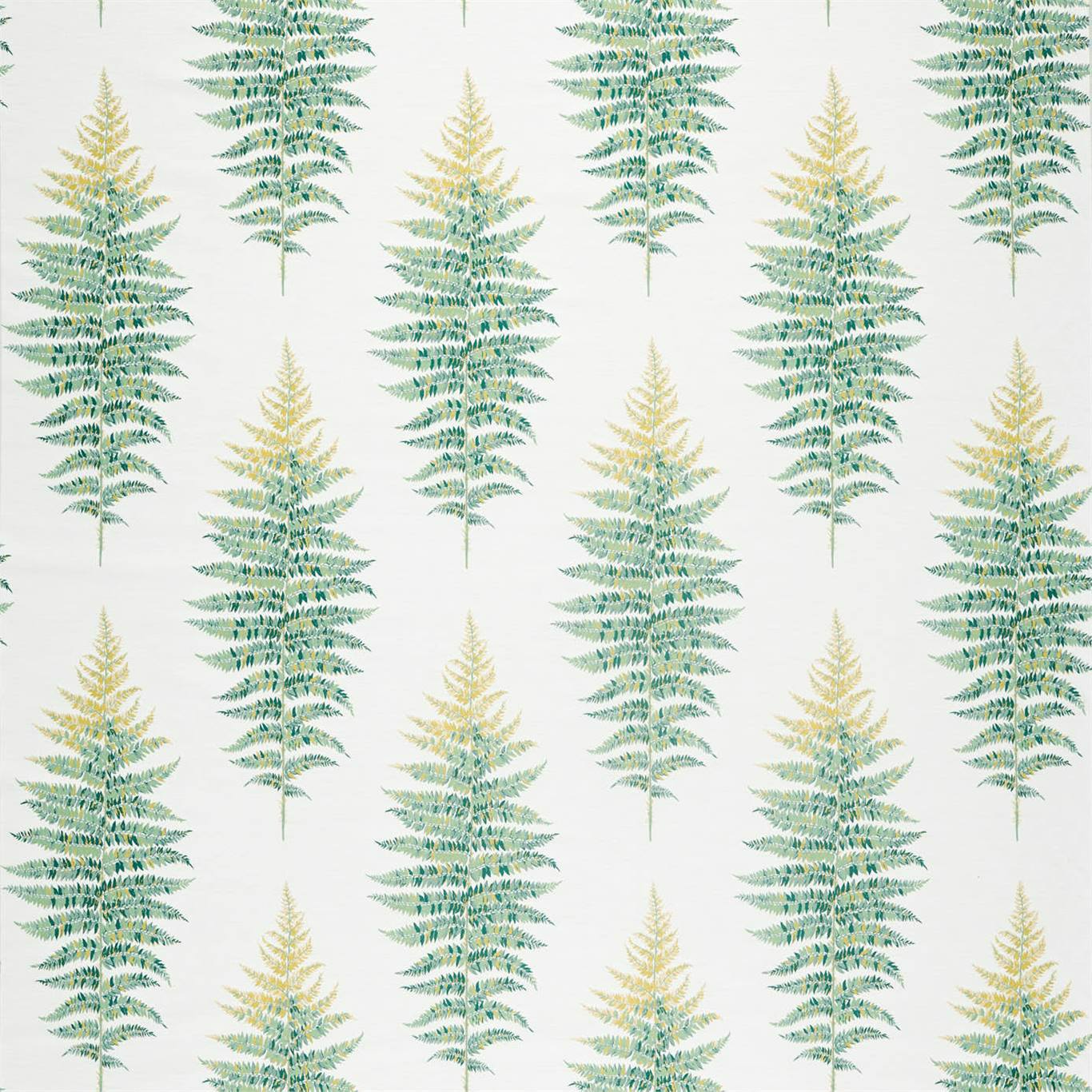
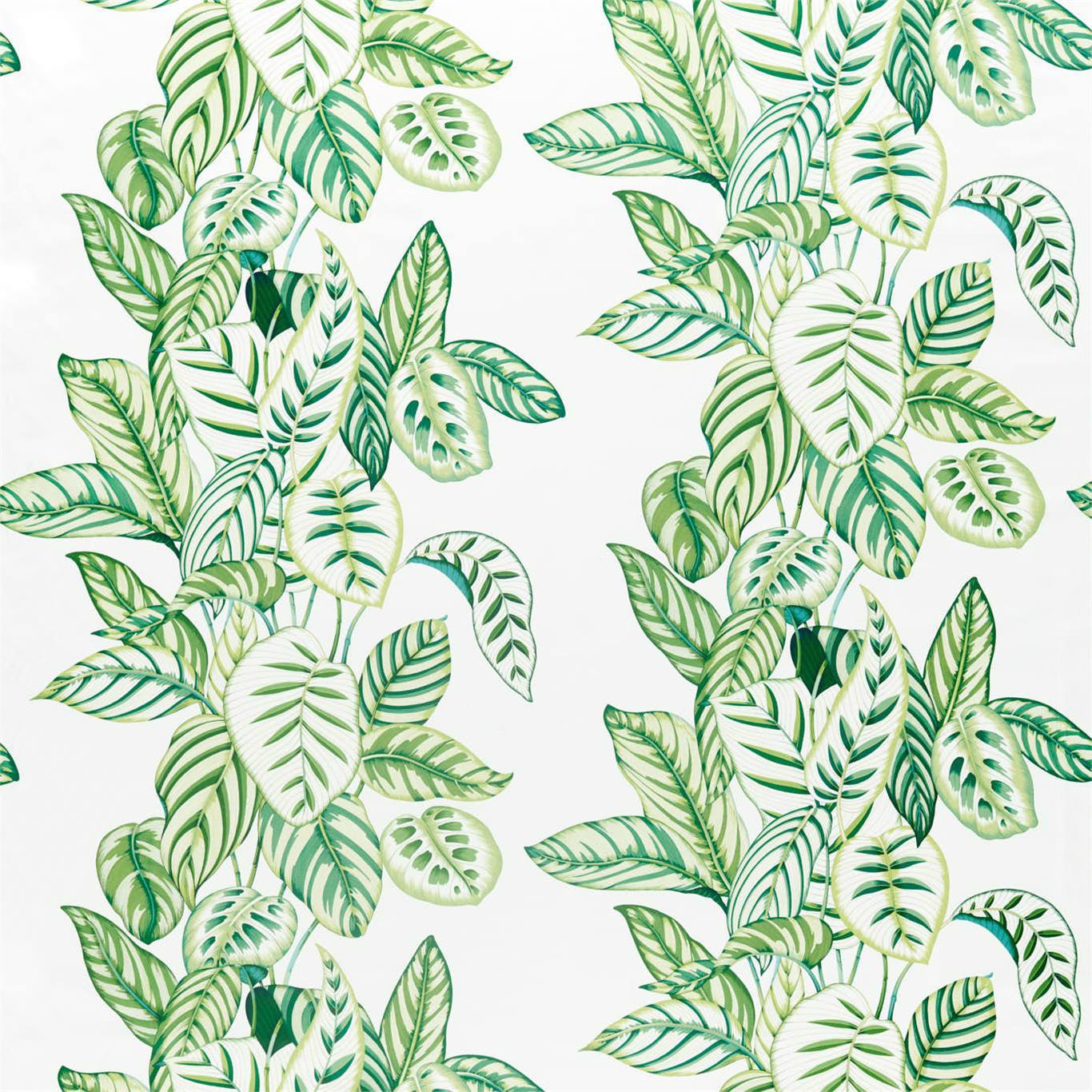
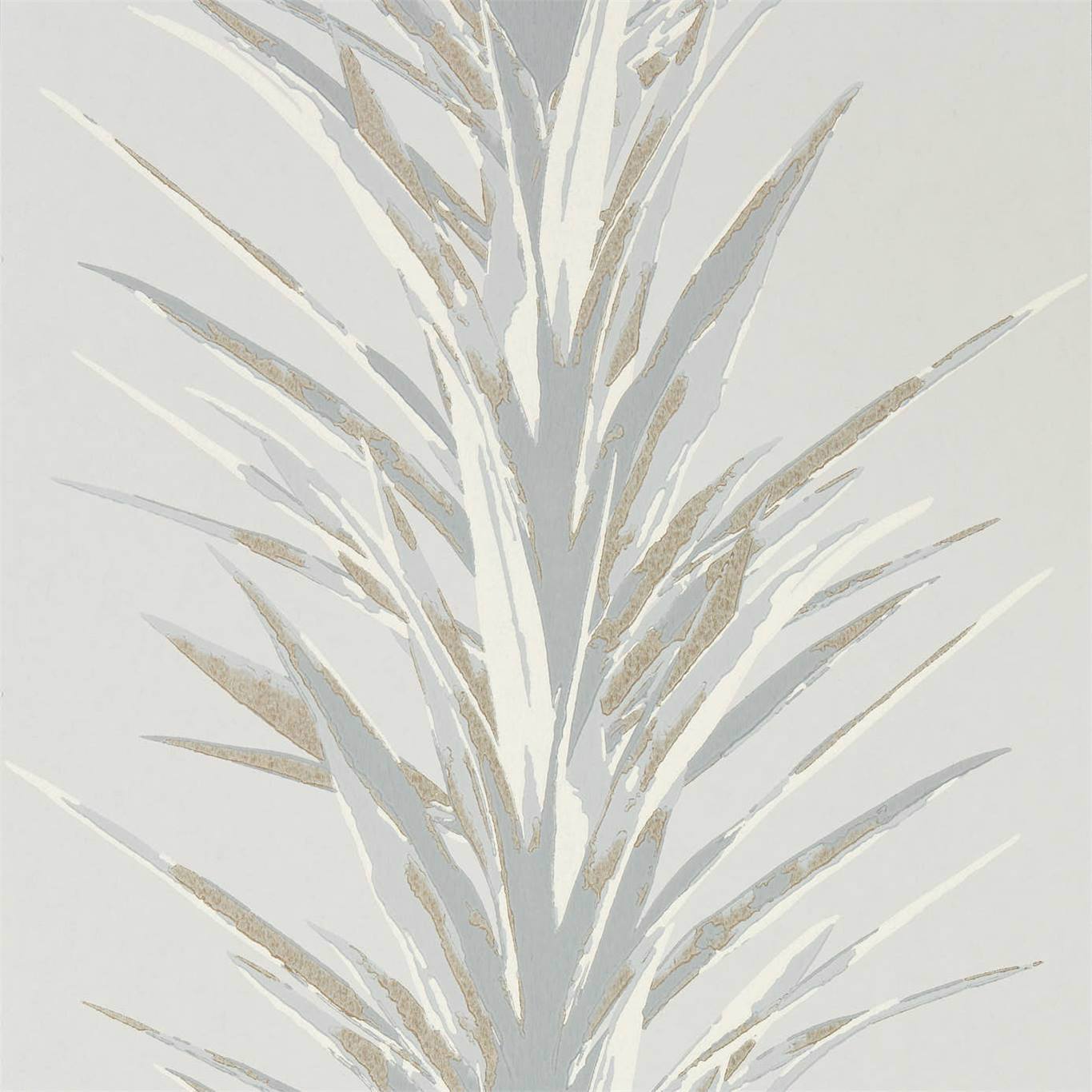
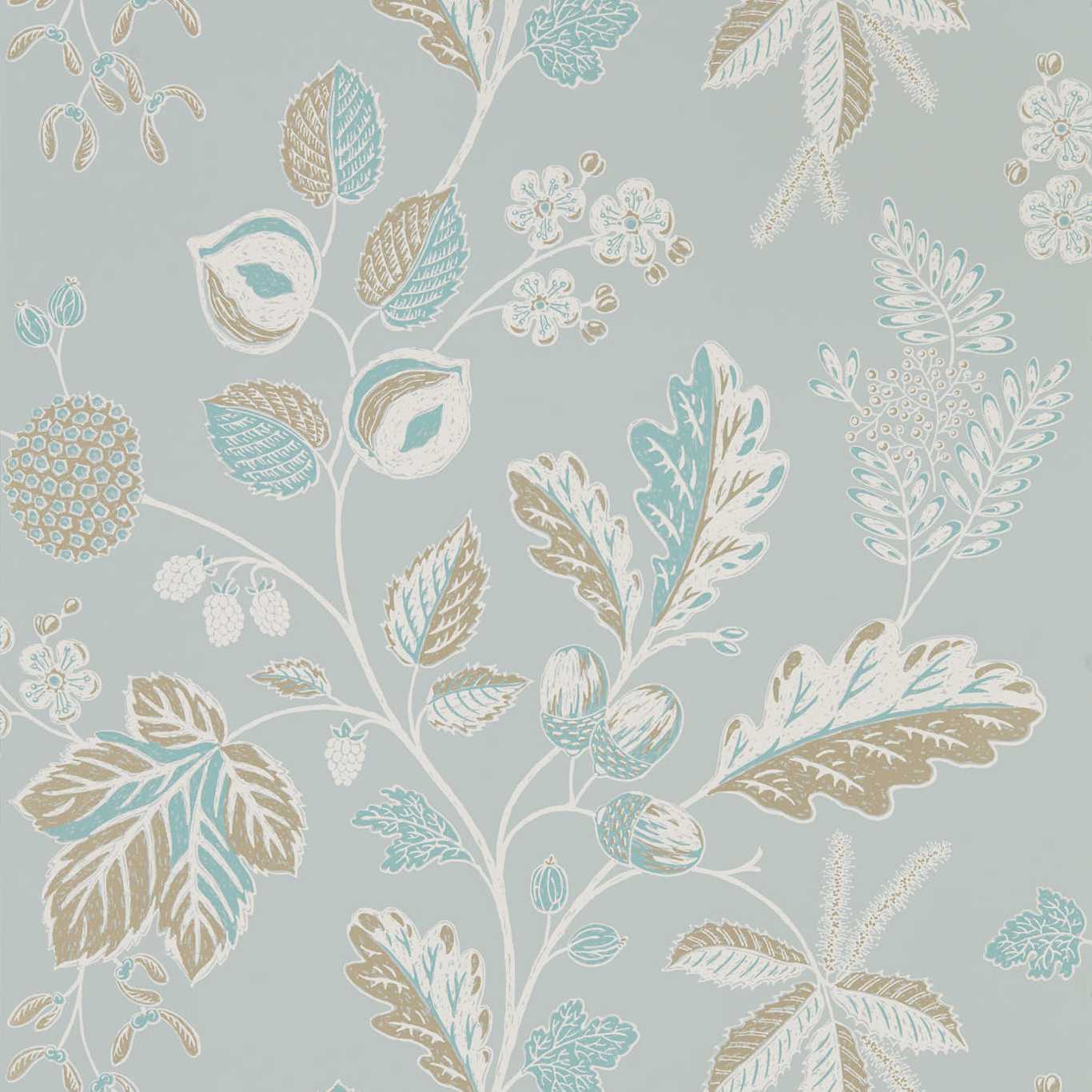
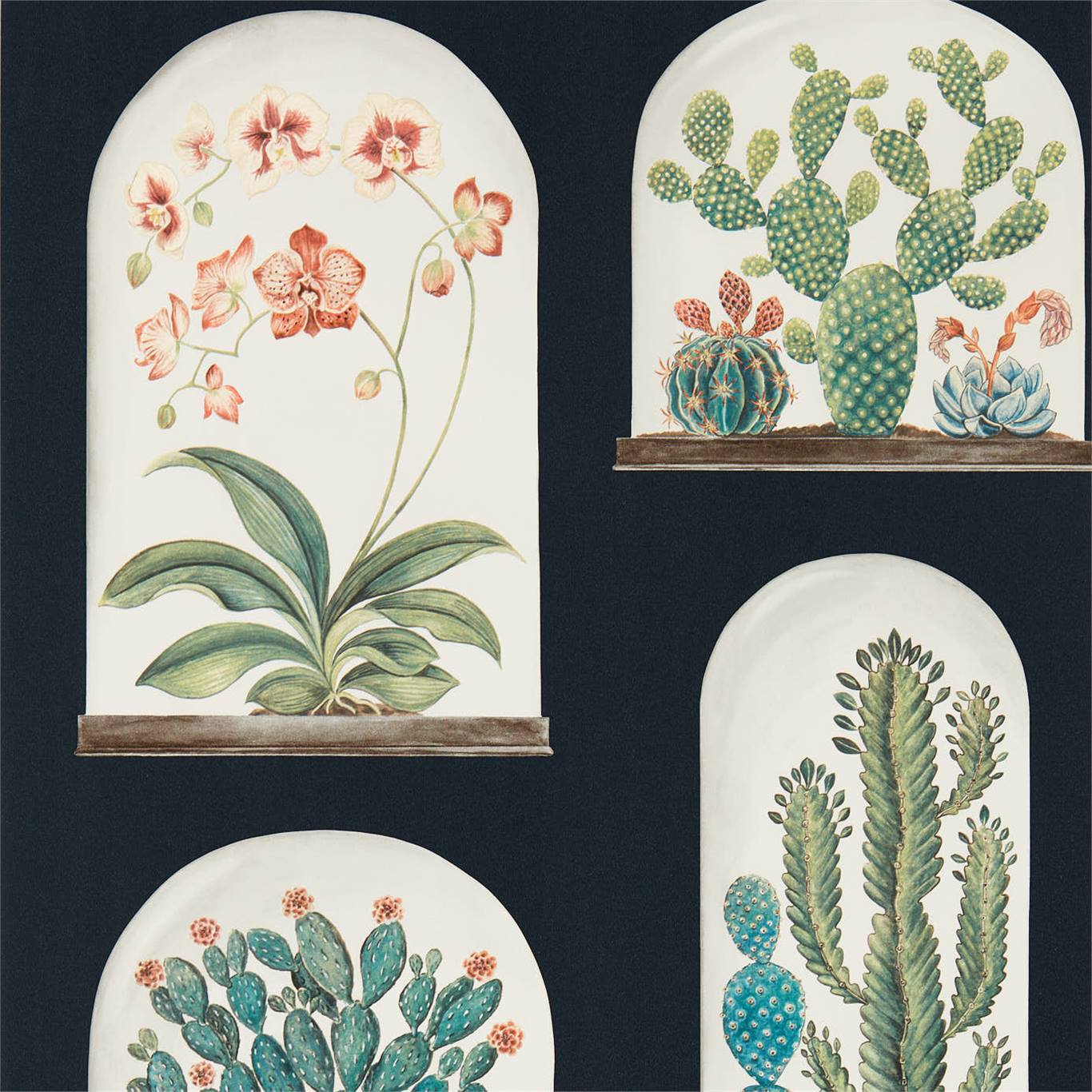
The coastal-calm palette
Carmel-style rooms lean on colors pulled straight from the coastline: driftwood gray, oatmeal, sea-glass green, fog white, and the warm sand of a dune at low tide. These are low-saturation, high-comfort tones that read as texture more than color, which is why natural-fiber wallcoverings dominate the look.
The trick is warmth without brightness. A room facing that coastal light can go cold if the neutrals skew blue-gray, so many designers anchor the scheme with a warmer sand or a hint of green to keep it from feeling like an overcast afternoon indoors.
Grasscloth, sisal, and jute
Natural-fiber wallcoverings are the backbone of the style. Grasscloth (arrowroot, honeysuckle vine, or reed) gives a fine, linear weave; sisal and jute bring a coarser, more rustic hand. All three are made from plant fibers laminated to a paper backing, so no two panels are identical and the material shifts subtly with the light.
Because the fibers are dyed rather than printed, expect visible seams and natural color variation from roll to roll, called shading or paneling. That variation is the point of the material, not a defect. Ordering from a single dye lot and hanging with a reverse-hang or random-panel plan keeps the wall reading as one cohesive surface.
Organic-modern botanicals
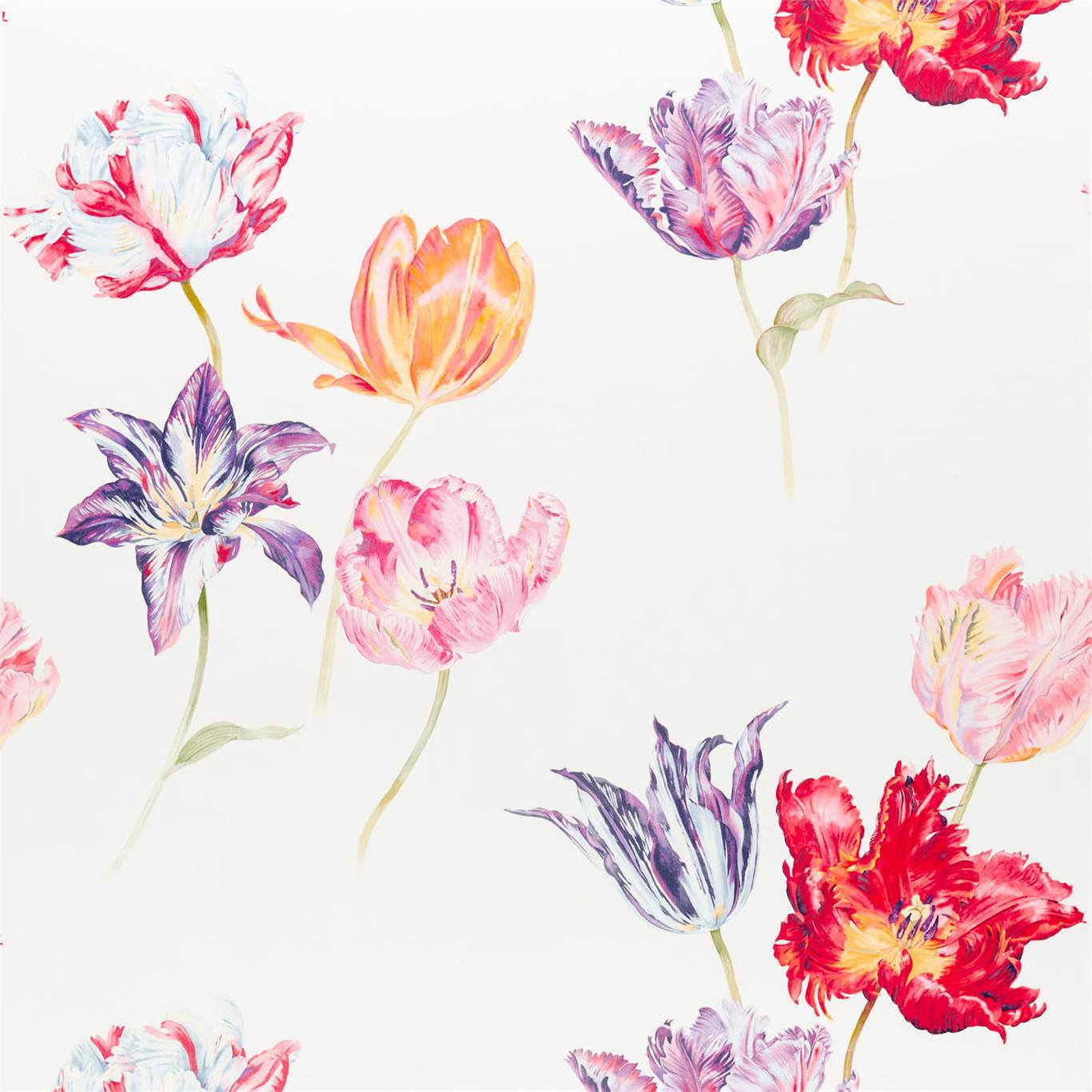
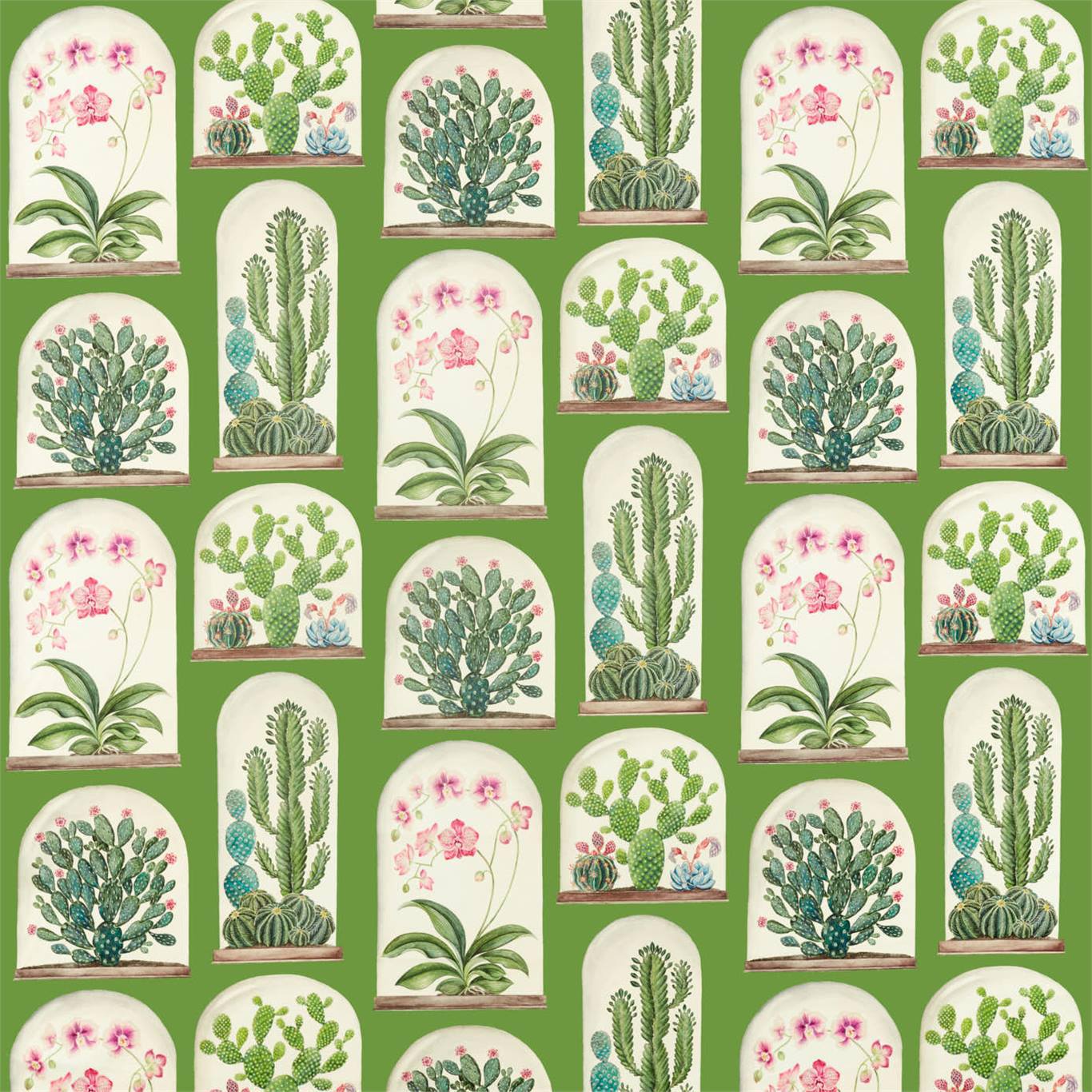
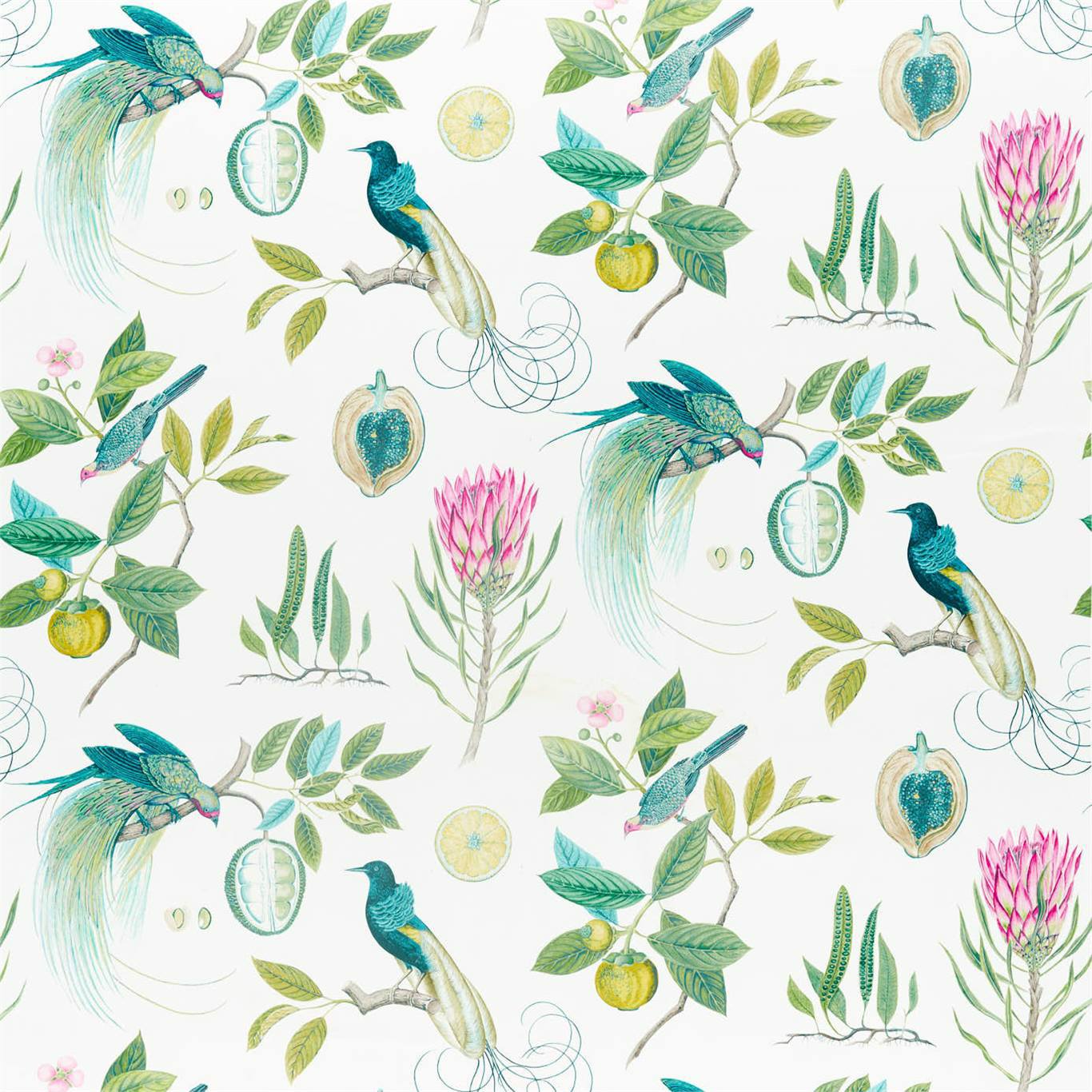
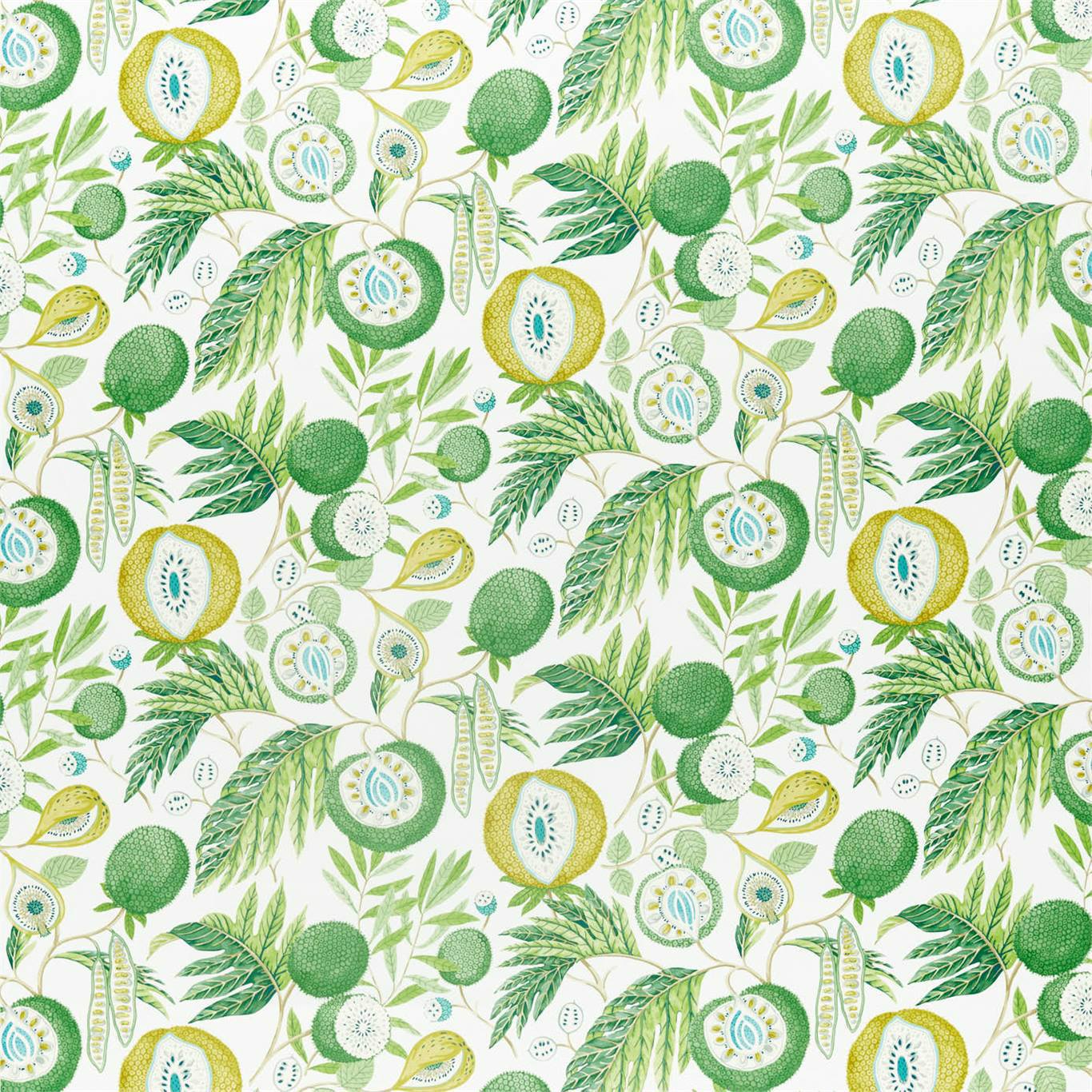
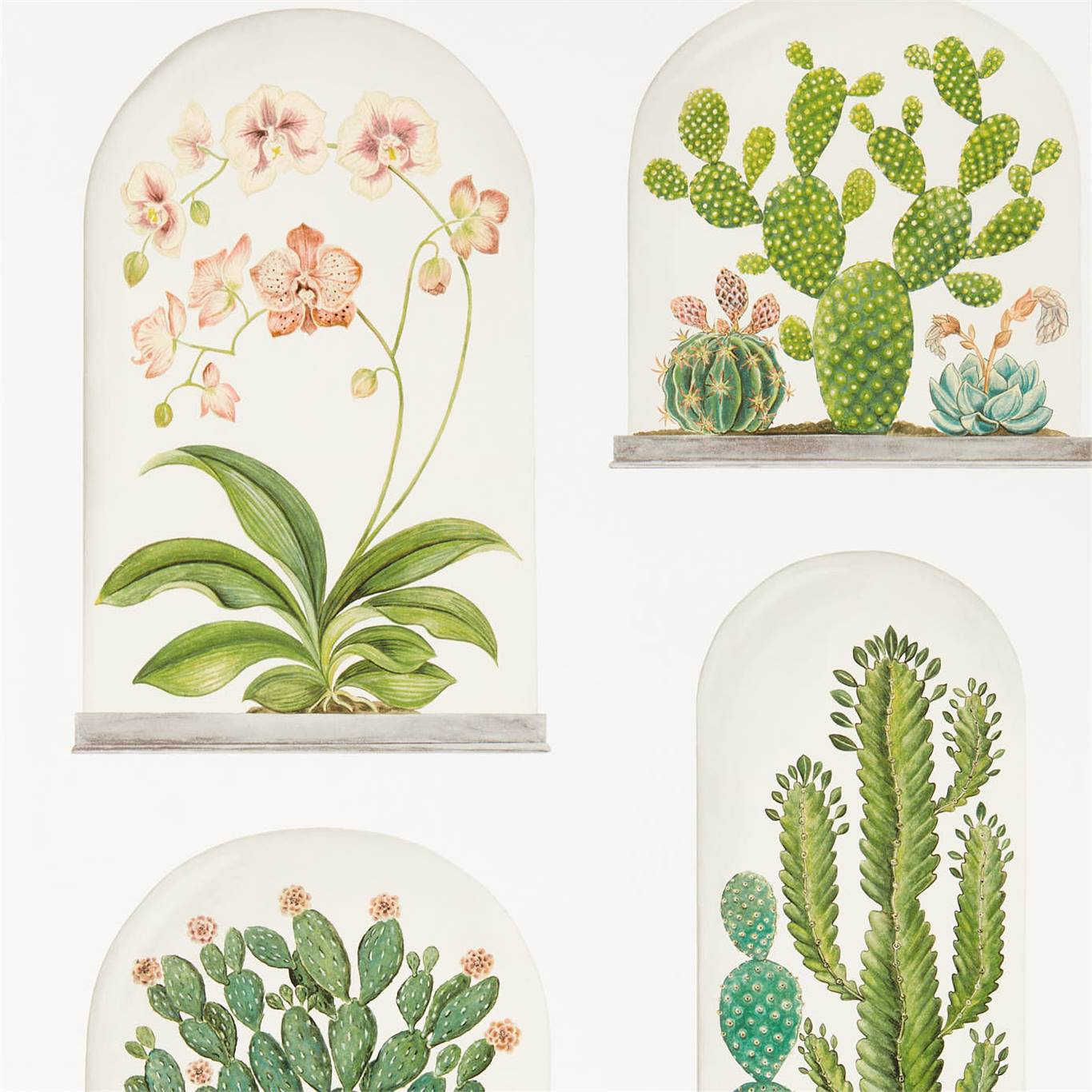
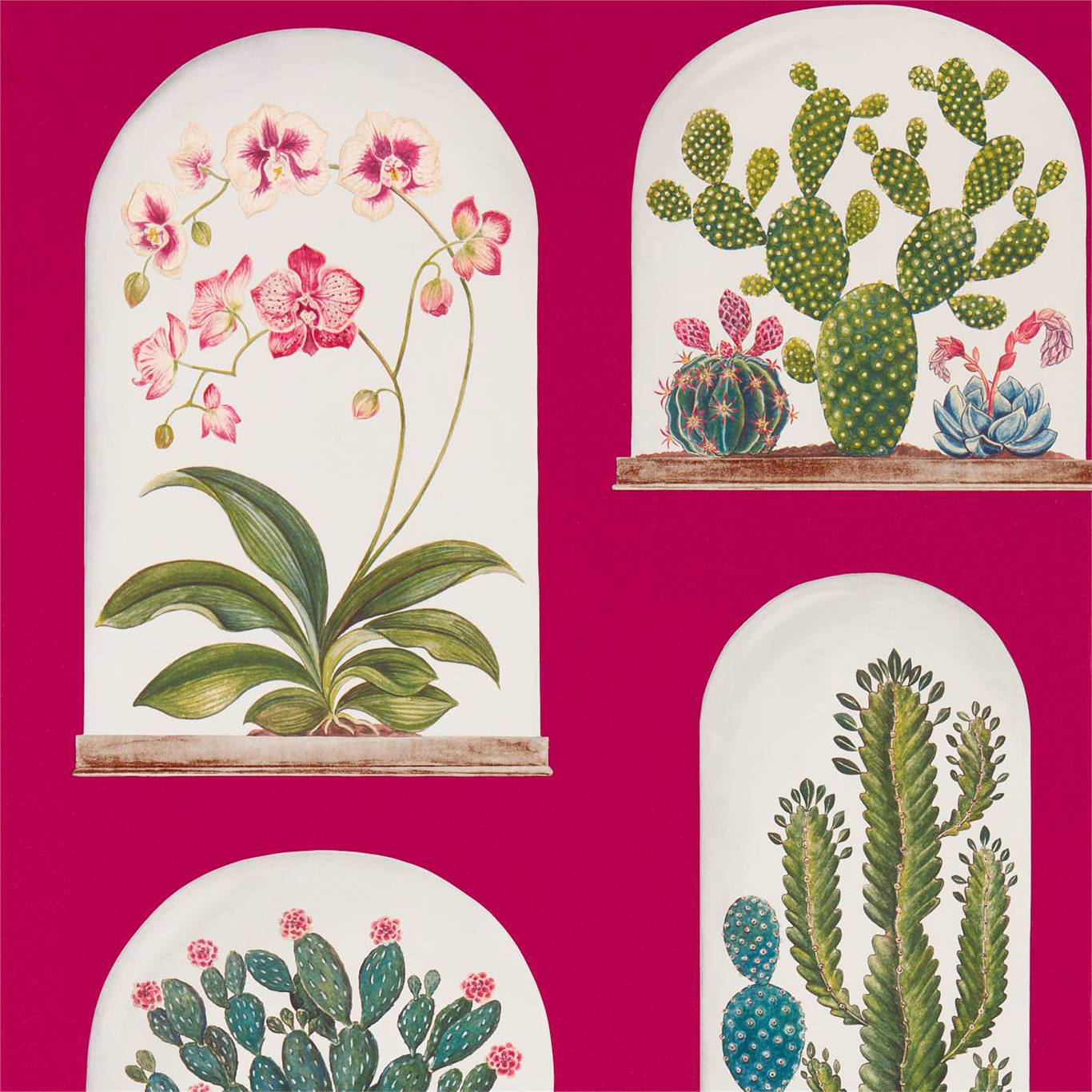
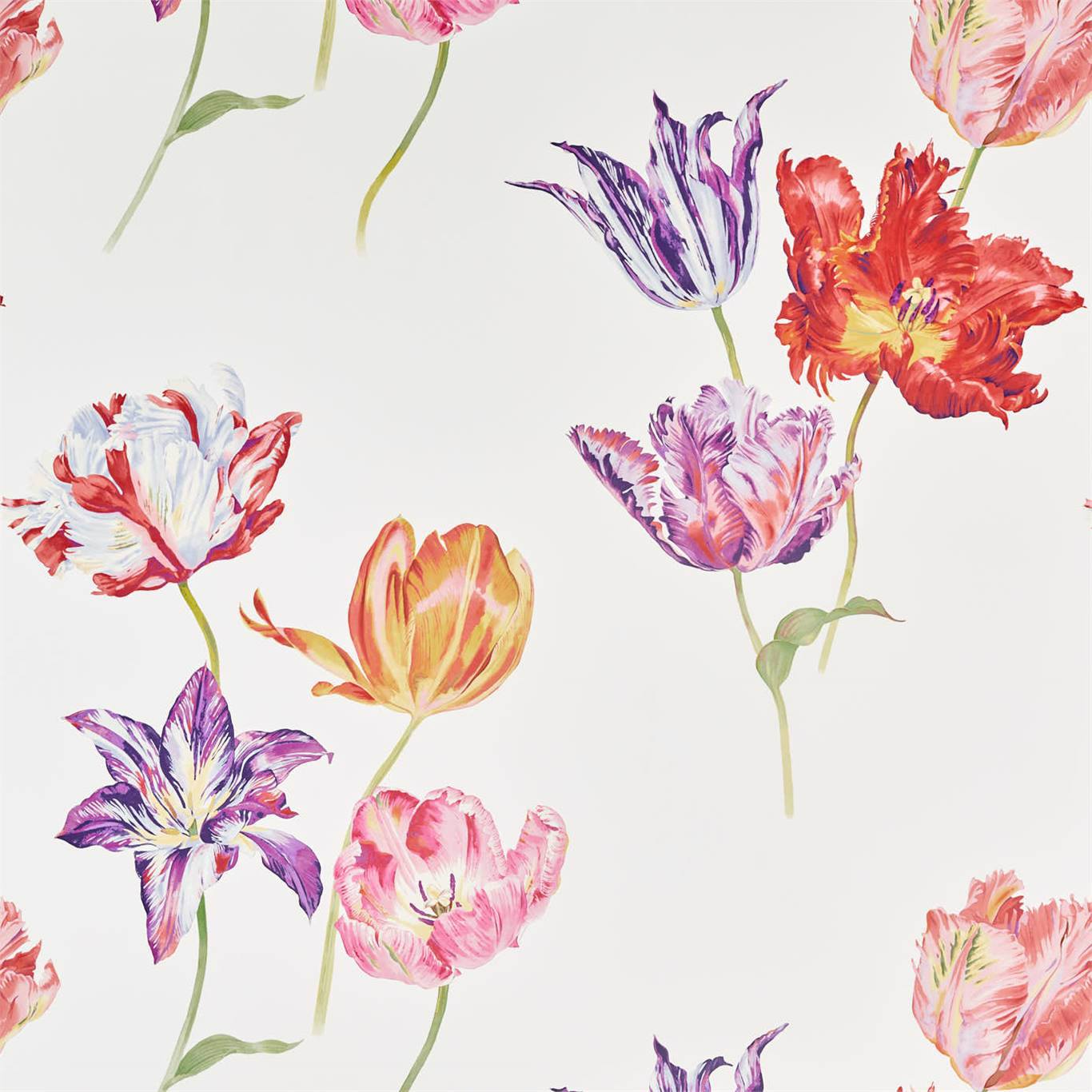
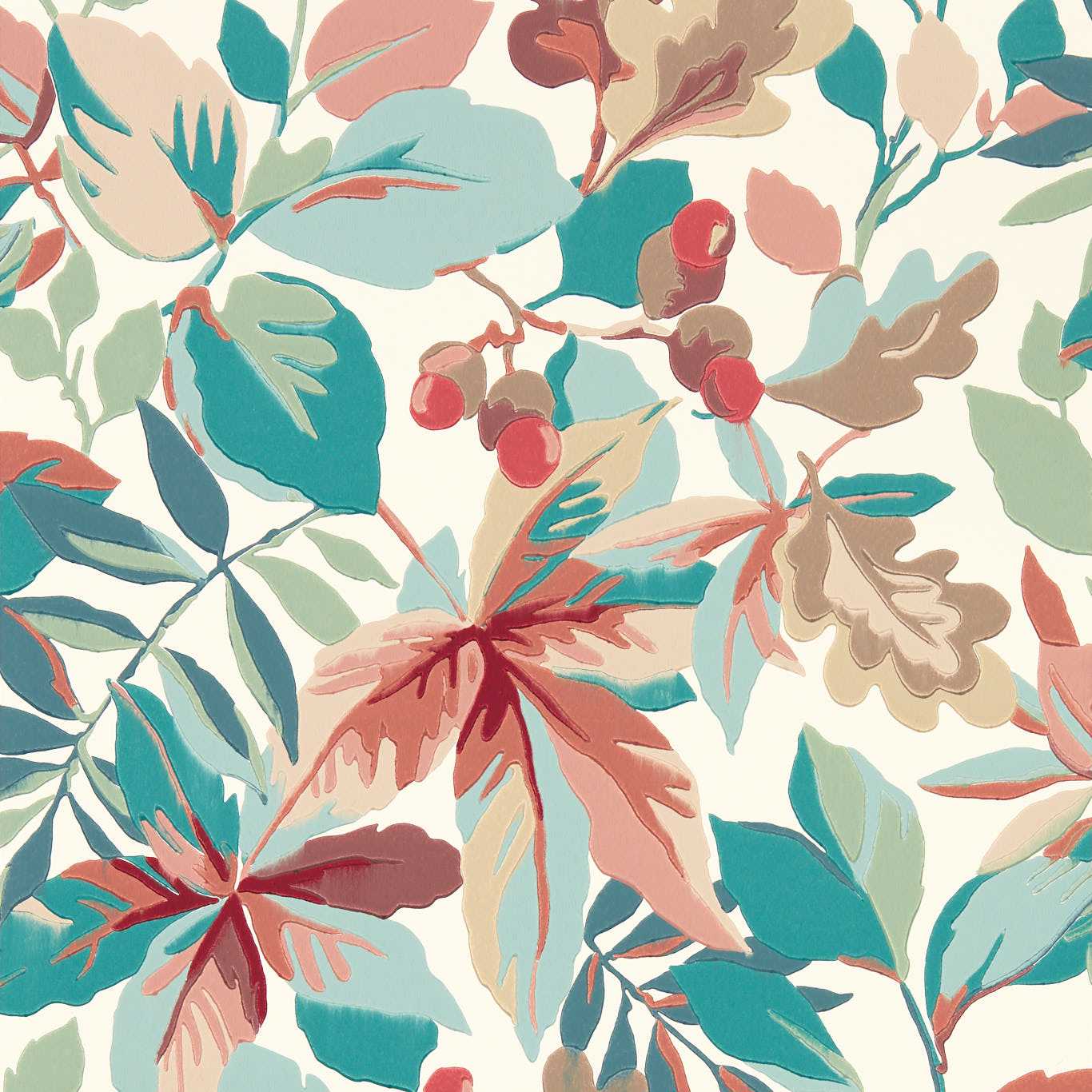
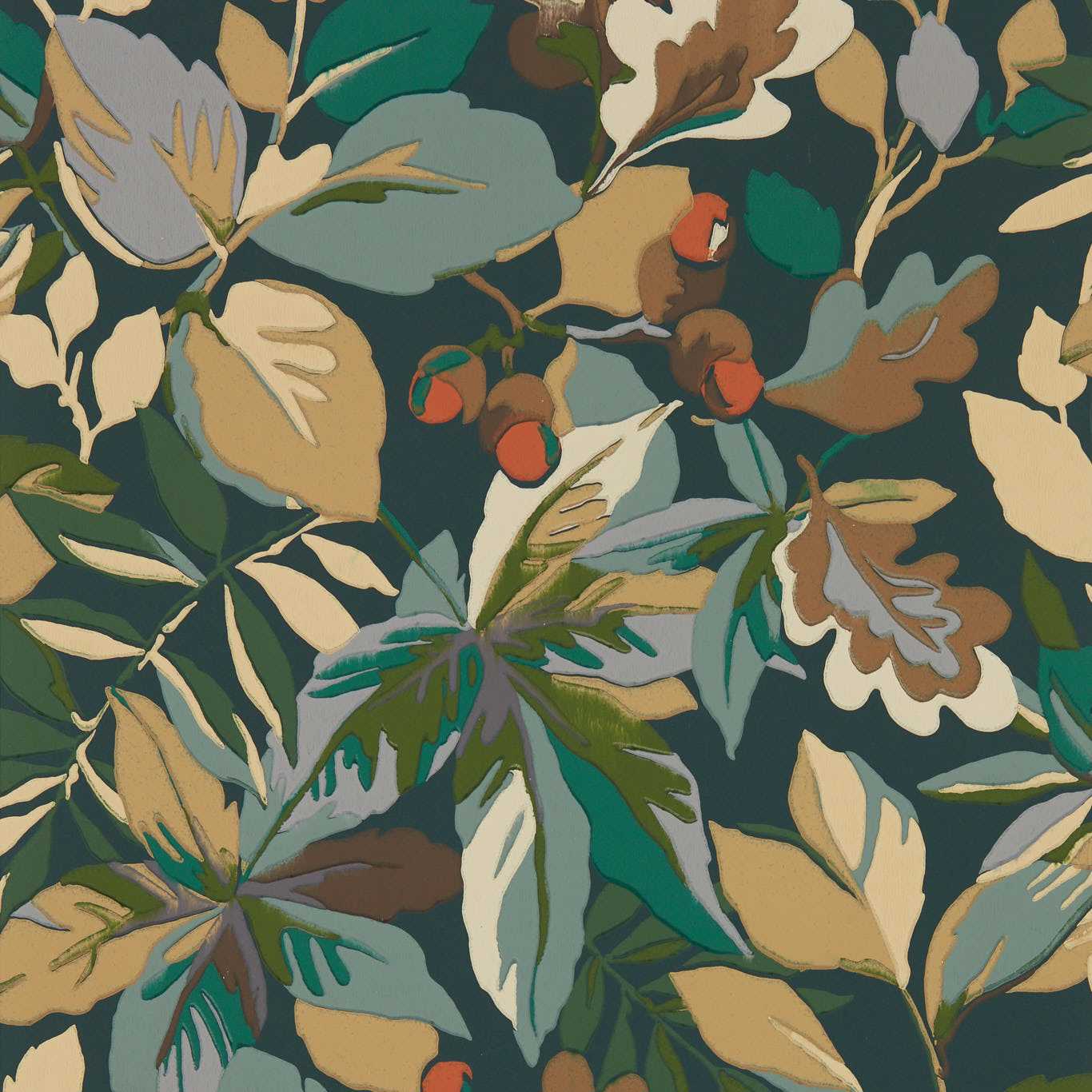
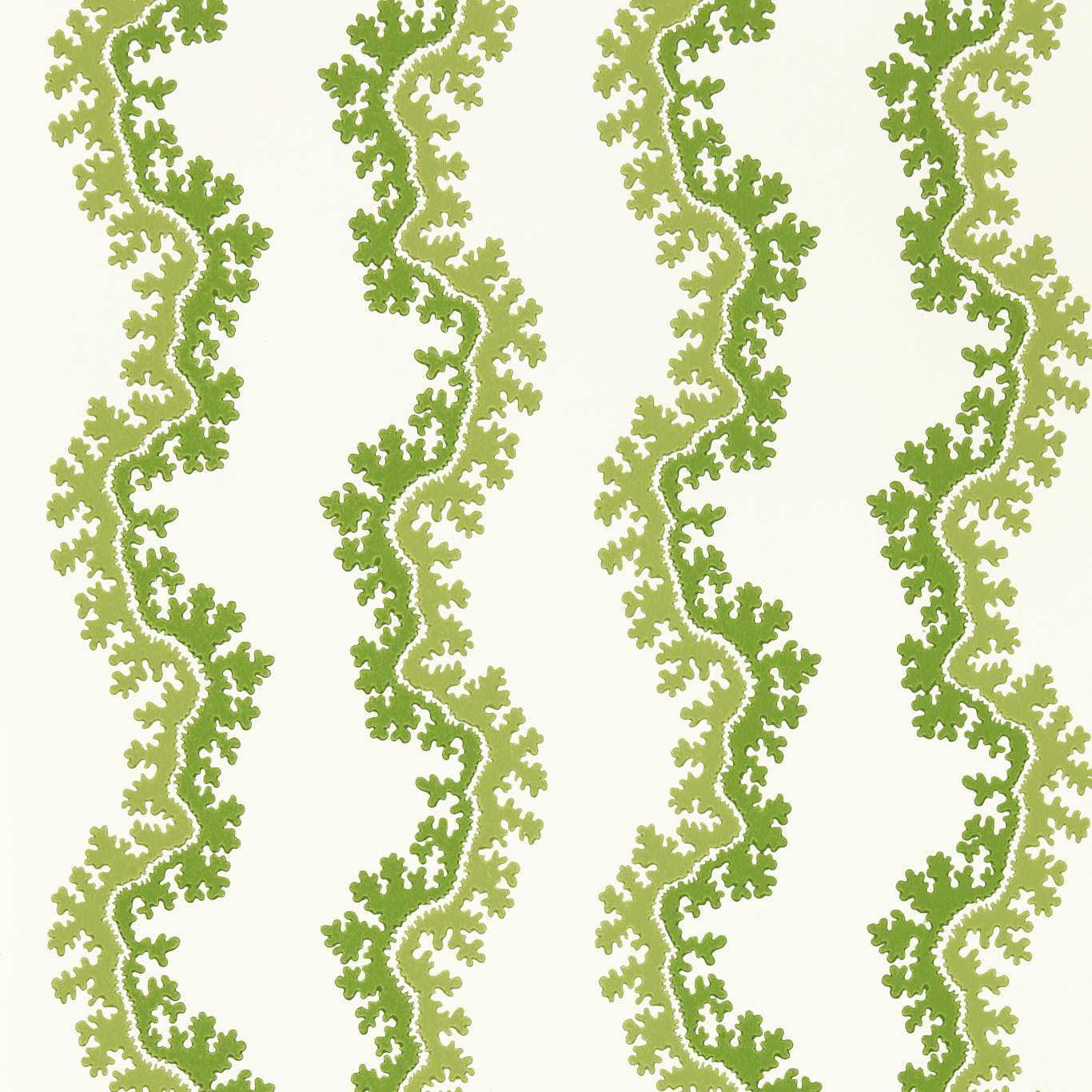
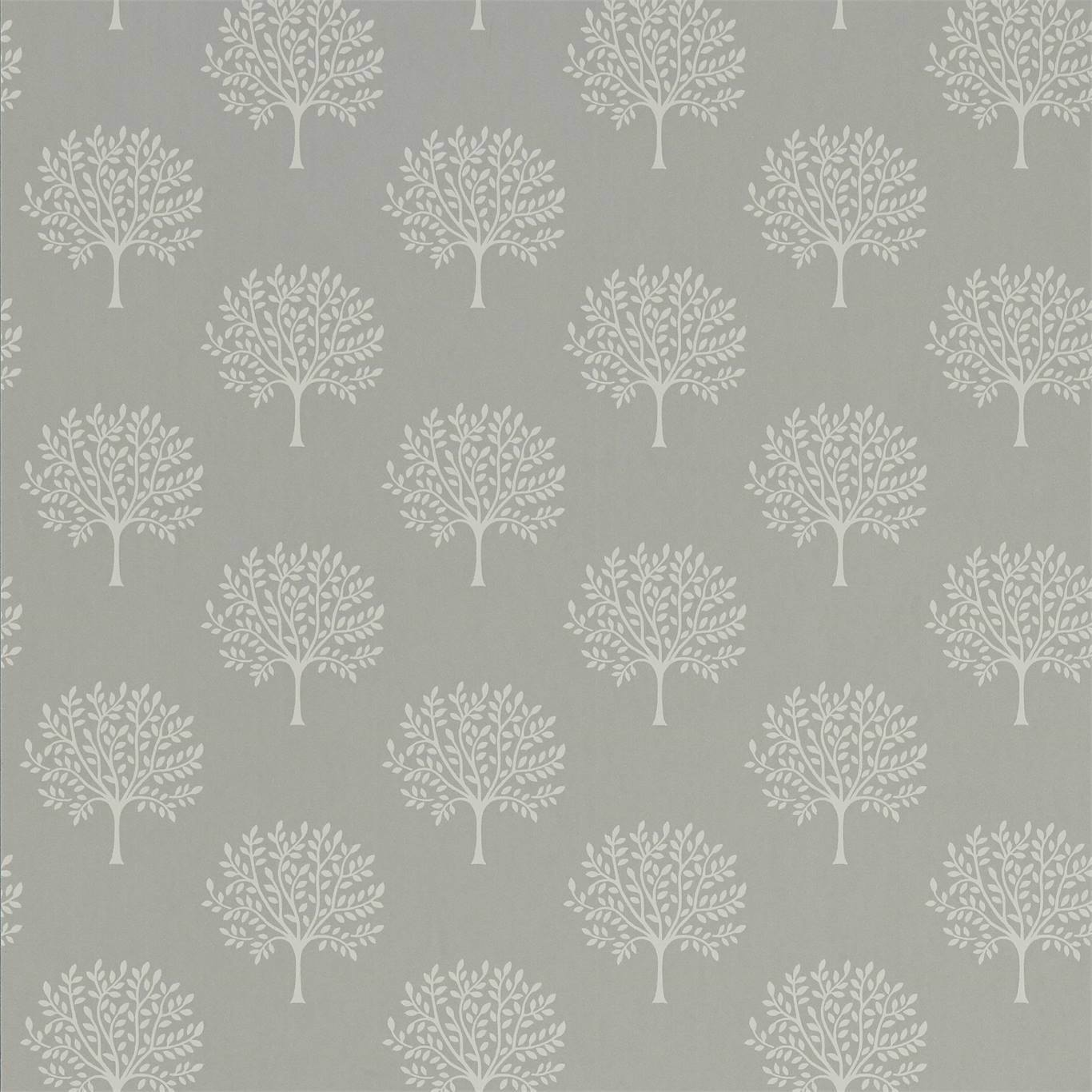
When a pattern is wanted, the coastal-calm approach favors loose, watercolor botanicals, tonal leaf motifs, and hand-drawn florals in the same muted palette. The line between neutral texture and soft pattern is where organic-modern lives: a room can carry one grasscloth accent wall and one botanical without competing.
Scale matters more than color here. A large, airy botanical keeps a small coastal room feeling open, while a tight repeat can make it busy. Keep the background close to the wall's neutral so the motif floats rather than shouts.
Quick checklist before you order
- One dye lotOrder all natural-fiber rolls from the same lot; new lots shade differently.
- Add 10-15%Buy extra for paneling, matching, and future repairs from the same run.
- Mind the lightTest swatches in coastal light morning and evening before committing.
- Seal for splash zonesGrasscloth stains easily; skip it near sinks and stoves or specify a clear coat.
- Warm the neutralsLean sand or soft green over blue-gray so the room stays inviting, not chilly.
Frequently asked
Why do grasscloth seams show so much?
Grasscloth is a natural fiber that reflects light unevenly, so seams and roll-to-roll color shifts are visible by design; a random or reverse hang blends them best.
Is grasscloth a good idea in a bathroom or kitchen?
Only in low-moisture spots. Natural fibers absorb splashes and stain permanently, so keep them out of direct splash zones or use a sealed, wipeable alternative.
What makes a wallcovering look coastal without being nautical?
Muted driftwood-and-sand neutrals, woven natural textures, and soft botanicals, rather than literal anchors, shells, or navy stripes.
Read more
- The Carmel cottage and the walls that suit itCarmel-by-the-Sea grew up as a village of small storybook cottages. That scale, and the builder who set the town's tone in the 1920s, still shape what belongs on the walls.
- A coastal-neutral palette that survives the Monterey fogThe light on the Monterey Peninsula is soft, cool, and often foggy for months at a stretch. The wall colors that hold up in it are not the bright whites a sunnier coast would pick.
- Grasscloth and sisal on the coast: beauty and the humidity problemNatural-fiber wallpaper is the signature coastal wall, and it is genuinely lovely near the water. It also has real limits in salt air and humidity that are worth knowing before you order.
- Carmel's art tradition, brought onto the wallThis has been an artists' town for more than a century. That plein-air, landscape-loving heritage points toward specific kinds of pattern and imagery for a room here.
- Reflecting the Coast: Wallcoverings Inspired by Carmel's Light and Landscape